The Africa Food Systems Forum (AFSF) brings together heads of state, ministers, policymakers, the private sector, and civil society to discuss and advance the transformation of Africa’s food system, with this year’s agenda focused on investment and finance, boosting jobs and opportunities for women and young people, and building climate resilience.
It’s the first gathering since the Comprehensive Africa Agriculture Development Programme (CAADP) came into force – a 10 year plan to end hunger and cut poverty by boosting productivity, climate resilience and environmental sustainability, cutting food waste, and increasing intra-Africa trade – alongside the Kampala Declaration, a legal commitment by African leaders to fund it by mobilising $100 billion in public and private finance including committing 10% of national income to agriculture.
It’s urgently needed. Decades of underinvestment means Africa’s food systems woefully unprepared for the challenges ahead from conflict, energy and fertiliser price spikes. The war in Iran has seen fertiliser prices rise by 30-45% in many parts of Africa, while the climate-fuelled “super” El Niño threatens widespread crop failure, surging food prices and a sharp increase in hunger, and could cost African producers nearly $327 million in lost income.
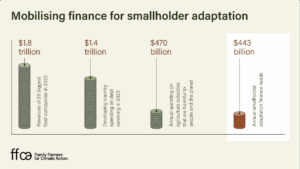
Many more details on the context in this Family Farmers for Climate Action detailed media brief below.
Farmers call to action
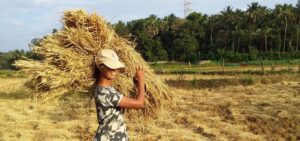
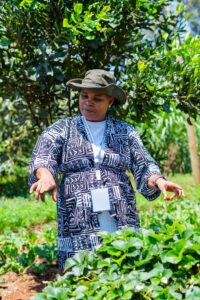
Farmers groups representing 250 million African smallholders are attending the African Food Systems Forum to call on governments and funders to: