This month, we are featuring the work of the Eastern Africa Farmers Federation (EAFF) and the particularities of how they have developed their gender strategy.
EAFF has become a regional pioneer for gender equity by breaking glass ceilings in agricultural governance and addressing systemic barriers such as discriminatory land access and limited access to formal credit for women. This progress has been driven by a combination of policy advocacy, economic inclusion, and targeted skills development.
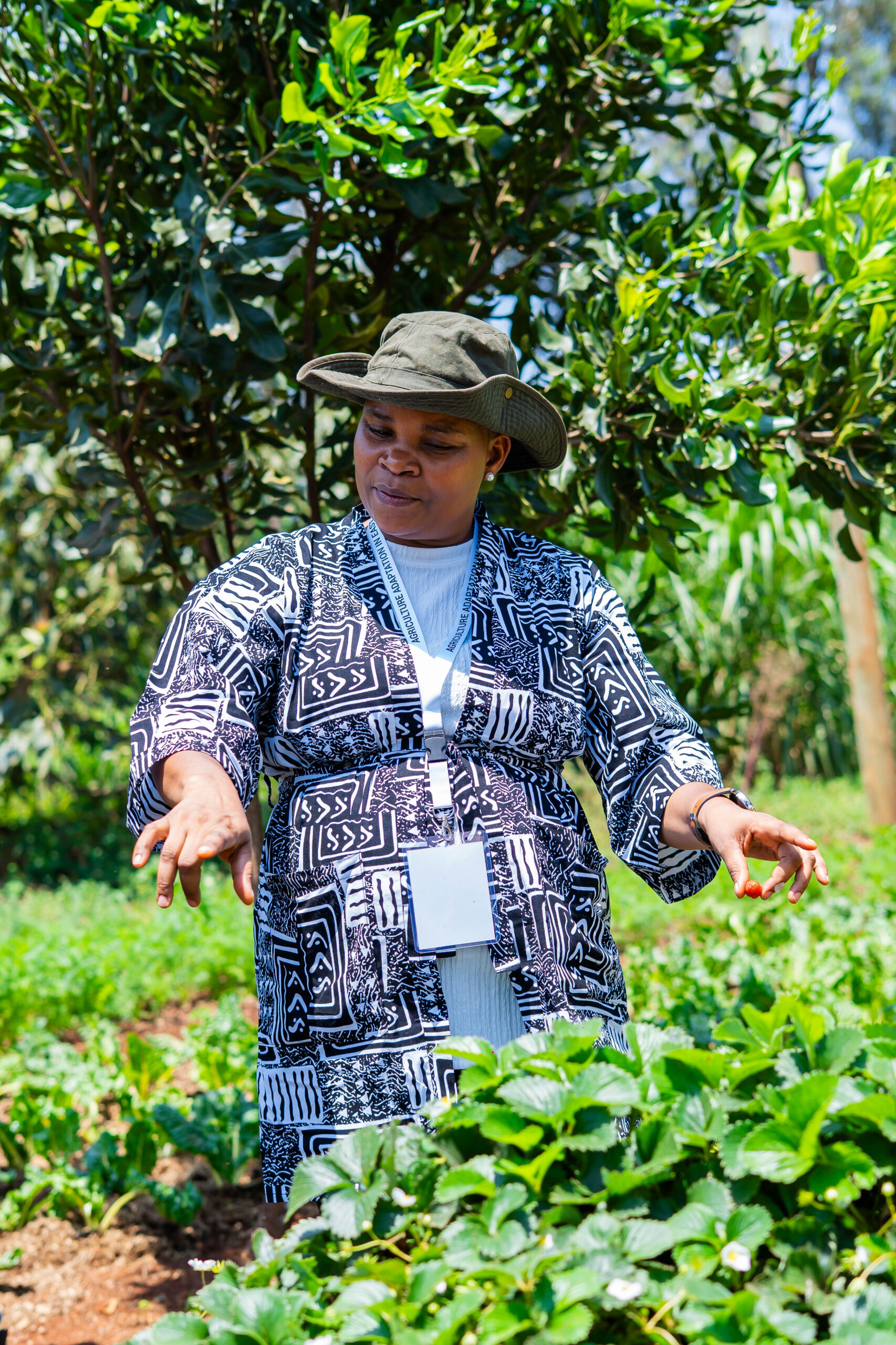
Notably, EAFF is the first farmers’ organization in the region to elect a young woman to its top leadership position—the current EAFF President, Elizabeth Nsmidala, and a very active member of FFORA’s Co-creation Group.
Central to this systemic change was the development of a gender inclusion strategy that formally integrated women-led organizations, such as the Women Farmers Association of Kenya (WoFAK) and the League of Women Farmers Organisations of the Congo (LOFEPACO) into EAFF’s membership. This approach ensured that women-led National Farmers Organizations directly shaped the federation’s women-centered programming.
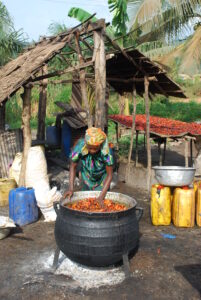
This collaborative foundation has enabled EAFF to champion family farming and equitable land access, while facilitating leadership workshops that support women’s transition from subsistence farming to agribusiness ownership.
Furthermore, by leveraging digital tools such as the e-Granary platform, EAFF has connected more than 25,000 women to structured markets and technical training, resulting in increased agricultural productivity and enhanced household food security across the region.